The Romance of Violeta: Design Elegance
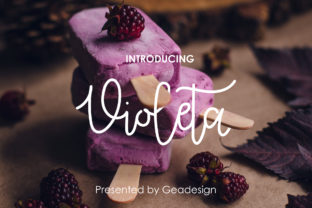
In the realm of graphic design, the first impression is often carried by a single, perfect visual cue—like the delicate charm of a unique script named Violeta.
This font, with its romantic, sweet, and fresh aesthetic, isn't just another typeface; it's a powerful tool for shaping emotion and perception in any creative project. For designers, marketers, and business owners looking to elevate their visual communication, understanding the practical applications of such a distinct element is key to crafting compelling brand identities and engaging user experiences.
Why Violeta Resonates in Modern Visual Design
Contemporary design trends increasingly value authenticity and emotional connection. Violeta’s unique character offers a blend of classic elegance and modern softness, making it exceptionally versatile. Its delicate lines and romantic curves establish an immediate tone of sophistication and approachability, which is crucial for brands aiming to appear both premium and relatable. In visual hierarchy, such typography can serve as a beautiful focal point, guiding attention and setting the mood before a user even engages with the content.
From a professional graphic design perspective, a font like Violeta contributes significantly to the overall cohesion of a visual system. It works seamlessly with thoughtful color palettes, clean imagery, and balanced compositions to create a polished and professional presentation.
Practical Applications for Creative Projects
The usability of Violeta extends across nearly every medium. Its fresh look ensures scalability from large-scale print to tiny mobile screens, maintaining readability and impact. Here are some key areas where it can enhance your design workflow and outcomes:
- Branding & Logo Design: Violeta can form the heart of a brand identity, especially for businesses in lifestyle, beauty, wellness, or luxury sectors. Its inherent charm makes logo designs memorable and distinctive.
- Marketing Materials & Advertising: In brochures, flyers, and digital ads, the font adds a layer of aesthetic appeal that can increase engagement and conversion.
- Social Media Graphics: For digital marketing, content featuring Violeta stands out in crowded feeds, boosting shareability and reinforcing brand voice.
- Website & UI Design: Used sparingly for headlines or calls-to-action, it improves UX design by creating visual interest and guiding users through a site with elegance.
- Editorial & Packaging Design: In magazines or on product packaging, this script adds a tactile, human touch that elevates the perceived value of the content or product.
- Presentations & Digital Products: It transforms slides and e-book covers from mundane to captivating, supporting a narrative of quality and care.
Integrating Violeta into Your Design System
Successfully leveraging a distinctive script requires thoughtful strategy. It’s vital to consider consistency, audience expectations, and your overarching design goals.
Violeta works best as an accent font—paired with a more neutral, readable sans-serif or serif for body text. This maintains visual hierarchy and ensures information remains accessible. Always evaluate its compatibility with your existing brand assets; it should feel like a natural extension of your visual language, not a disruption. For creative assets in merchandise or print design, test its scalability across different materials and sizes to guarantee the delicate details remain crisp.
Remember, the ultimate goal is effective communication. The romance and freshness of Violeta should serve the message, not overshadow it. When balanced with other elements like imagery and color, it becomes a silent ambassador for your brand’s story.
Choosing the right creative resources is a foundational step in any design process. Whether you're refining a brand identity, launching a marketing campaign, or crafting a user interface, the quality of your visual components directly impacts how your audience perceives and interacts with your work. Typography like Violeta proves that thoughtful, aesthetically considered design choices are not merely decorative—they are essential tools for building connection, conveying values, and achieving a lasting, beautiful impact in the world of visual communication.