The Strategic Power of Archeology: A Typographic Choice for Confident Communication
In the landscape of digital and print design, typography remains a cornerstone of effective communication. Beyond mere aesthetics, fonts serve as vehicles for tone, authority, and identity. Among the myriad of choices available to creators, certain typefaces emerge not just as tools, but as strategic assets. Archeology is one such font. It is a classy and strong script with a decisive look, engineered to deliver any message with confidence and style. This article explores why Archeology is more than a lovely freebie; it is a reflection of contemporary demands for clarity, authority, and distinctive branding in a saturated visual world.
Understanding Archeology: Anatomy of Confidence
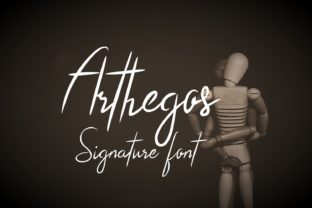
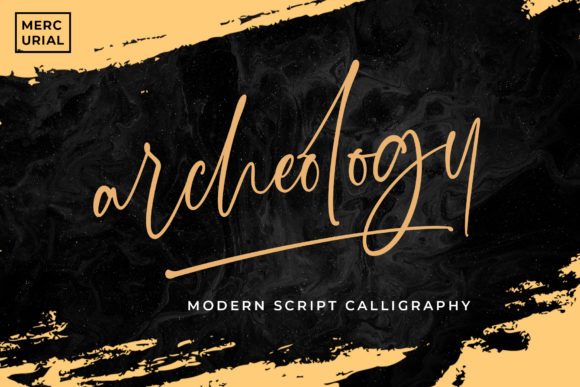
Archeology is characterized by its robust script structure. It avoids the frivolous curls of many traditional scripts, opting instead for clean, assertive strokes and a balanced weight distribution. This gives it a classy demeanor without leaning into ostentation. The “decisive look” inherent in its design means each letterform stands with purpose, reducing visual ambiguity and enhancing readability at various scales. Unlike fonts that whisper, Archeology speaks clearly. It is a typeface built for statements—whether on a website header, a product logo, a keynote presentation slide, or a promotional poster.
Its strength lies in its versatility. While clearly a script font, it carries a structural solidity often associated with modern sans-serifs. This hybrid quality allows it to bridge contexts: it can elevate a luxury brand’s invitation while also grounding a tech startup’s mission statement. This adaptability is crucial in a professional environment where a single brand must communicate across multiple touchpoints with consistent force.
The Broader Context: Typography in the Age of Attention Economics
The relevance of a font like Archeology is magnified by larger trends in marketing, media, and technology. We operate in an attention economy, where clarity and speed of comprehension are paramount. Audiences, flooded with information, subconsciously gravitate towards designs that reduce cognitive load and project authority. A muddled or overly decorative font can dilute a message; a strong, legible one accelerates understanding and trust.
Furthermore, the rise of entrepreneurial and creator economies means more individuals and small teams are building brands from the ground up. For a freelancer, marketer, or startup founder, resources are often limited. A high-quality, free font like Archeology becomes a powerful equalizer—offering a level of polished, confident typography that might otherwise require a significant licensing investment. It fits seamlessly into a workflow where efficiency and impact are balanced.
In terms of consumer and professional preferences, there is a marked shift towards authenticity and substance. Visual trends are moving away from pure minimalism or extreme decoration towards what might be termed “confident expression.” Design needs to feel intentional, grounded, and purposeful. Archeology aligns perfectly with this expectation. It does not merely decorate; it declares.
Why Professionals Are Paying Attention
The appeal of Archeology spans several professional circles:
- Marketers and Brand Managers: They seek typography that can anchor a campaign with unshakable tone, ensuring brand messages are perceived as reliable and premium, even in a fast-scrolling social media feed.
- UX/UI Designers and Web Developers: In digital interfaces, hierarchy and scannability are critical. Using a strong script like Archeology for key headings can instantly establish focal points and guide user attention with visual weight.
- Content Creators and Publishers: For bloggers, newsletter writers, and video creators, typography is a key part of content branding. A distinctive, confident font for titles and logos helps build a recognizable visual identity in crowded platforms.
- Entrepreneurs and Small Business Owners: Crafting a professional image from day one is vital. Archeology offers an immediate upgrade to business cards, website headers, and proposal documents, conveying stability and ambition.
Changing Needs and Workflows: The Practical Fit
Modern creative and business workflows are increasingly integrated, agile, and output-oriented. Design decisions must be made quickly, yet they must hold up under scrutiny across various media. This is where the practical utility of a well-designed free font shines.
Consider a common scenario: a marketing team needs to produce a series of assets for a product launch—a landing page, an email banner, a print brochure, and social media graphics. Consistency across these formats is non-negotiable. By adopting Archeology as their primary script font for headlines and calls-to-action, they ensure a unified voice. Its strong readability means it performs well both on high-resolution prints and on smaller mobile screens, a technical consideration that is often overlooked in font selection.
Another observation: the growing importance of personal branding for freelancers and consultants. A LinkedIn banner, a portfolio website, a client presentation deck—these elements collectively form a professional persona. Using a font like Archeology across these touchpoints creates a subtle but cohesive signature. It signals meticulousness and a commitment to quality, traits that clients and collaborators value highly.
Examples in Application
To move from theory to practice, imagine Archeology in action:
- Corporate Report Cover: A financial or sustainability report requires a tone of seriousness and transparency. Using Archeology for the title on the cover immediately sets a tone of robust, clear disclosure.
- Creative Agency Website Hero Text: An agency’s homepage headline, perhaps “Crafting Stories That Resonate,” rendered in Archeology, communicates creativity backed by strength and strategy.
- Event Branding for a Conference: For a tech or leadership conference, the event name and key theme graphics in Archeology project organization, forward-thinking energy, and decisive purpose.
- Product Packaging for a Craft Goods Brand: A small-batch coffee or skincare brand wants to convey artisanal care and robust quality. Archeology on the label suggests both elegance and substance.
Connecting to Larger Developments: The Semantics of Type
Typography is never just about letters; it is about semantics. The choice of a typeface contributes meaning to the words it forms. This concept is gaining traction as design becomes more psychologically informed. In this context, Archeology provides semantic value of confidence, clarity, and intentionality.
This connects to larger developments in technology, such as the evolution of design systems in software and enterprise environments. A design system codifies visual choices, including typography, to ensure coherence and efficiency. A typeface like Archeology, with its clear rules and strong personality, can serve as an excellent “accent font” within such a system—used sparingly but powerfully for maximum impact on key messages.
Similarly, in the realm of content strategy, there is a heightened focus on audience trust and message retention. Visual hierarchy plays a direct role in how content is digested and remembered. A headline in a commanding script font like Archeology can significantly increase the likelihood that the core message will be seen and internalized by the reader.
Conclusion: Taking Designs to the Next Level
Ultimately, the invitation to “add this lovely freebie to your creations” is an invitation to upgrade your communicative precision. Archeology is not a decorative afterthought; it is a strategic typographic tool. For professionals, creators, entrepreneurs, and marketers, it addresses the evolving need for designs that are not only visually appealing but also psychologically effective and workflow-efficient.
By incorporating Archeology into your palette, you leverage a font that embodies the current demand for confident, stylish, and unambiguous communication. It allows you to project assurance across all mediums, ensuring your message is delivered with the strength and class it deserves. In a world where every pixel and point size contributes to perception, choosing the right typeface is a decisive act—and Archeology is designed precisely for such decisive moments.