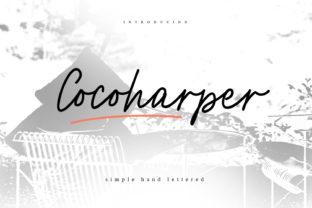
Cocoharper: The Sweet and Simple Script for Authentic Digital Design
In the vast and often complex world of web development and digital design, there exists a simple pleasure: a tool that strips away the noise and returns focus to the core idea. Cocoharper is precisely that. It is not a sprawling framework or a demanding software suite. Cocoharper is a sweet and simple script dedicated to adding an authentic, human vibe to any design concept. This article explores this unique tool from the ground up, explaining its purpose, its surprising significance in a tech-driven landscape, and how you can use it to bring a touch of genuine character to your projects.
Understanding Cocoharper: What Exactly Is It?
Let's start with the basics. In technical terms, Cocoharper is a lightweight JavaScript script. You include it in your web project, and it works quietly in the background. Its primary function is to introduce subtle, randomized imperfections and organic variations to elements on a webpage. Think of it as a digital patina—the gentle wear and unique character that makes an old piece of furniture or a handwritten letter feel special and real.
Unlike complex animation libraries or rigid design systems, Cocoharper operates on a principle of controlled randomness. It might slightly offset the alignment of text blocks, introduce minute variations in color saturation within a defined palette, or apply gentle, uneven borders to images. The effect is never chaotic or broken; instead, it feels intentional and handmade, breaking the sometimes sterile perfection of pixel-aligned, cookie-cutter digital layouts.
The Core Purpose: Fighting Digital Sterility
The modern web is a marvel of consistency and precision. Design systems ensure every button is identical, grid layouts enforce strict order, and fonts render with razor-sharp clarity. This is excellent for usability and brand coherence. However, it can sometimes lead to a feeling of coldness or generic uniformity. Cocoharper's purpose is to inject warmth into this precision.
Its significance lies in its focus on emotional resonance. In an age where users crave authentic connection, even from brands and digital products, a design that feels "too perfect" can seem impersonal. Cocoharper helps bridge that gap by simulating the tiny, human inconsistencies that occur in physical creation. Its practical relevance is immense for designers, developers, and content creators who want their work to stand out not just for its functionality, but for its feel.
Cocoharper in Practice: Where and How to Use It
So, how does this script fit into real-world projects? Its application is wonderfully broad because its effects are subtle and complementary.
- Personal Blogs & Creative Portfolios: Cocoharper can make a writer's blog or an artist's portfolio feel more like a personal notebook or sketchbook. Slight text indentation variations or image borders that aren't perfectly uniform can create an intimate, welcoming atmosphere.
- Independent E-commerce Stores: For brands selling handmade goods, artisanal products, or anything with a "craft" story, using Cocoharper on product display pages can visually echo the handmade ethos of the items themselves, strengthening the brand narrative.
- Educational Platforms & Tutorial Sites: A learning environment that feels too rigid can be intimidating. Applying Cocoharper's gentle variations to code examples, diagram containers, or lesson cards can make the site feel more approachable and less like a standardized textbook.
- Marketing Campaigns with a Human Focus: Landing pages for campaigns emphasizing community, authenticity, or real stories can benefit from Cocoharper's touch to make the digital experience feel less like a corporate advertisement and more like a genuine invitation.
A common misunderstanding is that Cocoharper makes designs look "broken" or "low-quality." This is not the case. The script is carefully calibrated. The variations it applies are within a very small tolerance, often just a few pixels or percentage points of difference. The goal is perceptible but not disruptive. It’s the difference between a perfectly printed poster and a skillfully screen-printed one; both are professional, but the latter has a distinct texture.
Technical Integration: Simple as Promised
Embracing Cocoharper's vibe is, true to its description, simple. You download the small script file and include it in your project's HTML. Then, via a straightforward initialization function or by adding specific class names to your HTML elements, you define which parts of your page should receive the "Cocoharper treatment." For example, adding the class .cocoharper-text to a paragraph container might allow the script to apply its subtle text alignment variations.
It works harmoniously with other technologies. Whether your site is built on a static foundation, a modern React application, or a WordPress theme, Cocoharper can be integrated as a complementary layer. It doesn't conflict with major CSS frameworks like Bootstrap or Tailwind; it adds its character on top of the established structure. This makes it accessible for beginners experimenting with web design, while also offering a nuanced tool for experienced developers looking to fine-tune user experience.
The Broader Context: Authenticity in Digital Expression
Cocoharper is part of a larger movement in digital design that values authenticity over flawless automation. We see this trend in other areas: the popularity of handwritten font pairings, the use of asymmetric layouts in editorial websites, and the integration of seemingly analog textures in digital interfaces. This reflects a human desire to see ourselves—imperfect, individual, organic—reflected in our technology.
In daily life, we are surrounded by digital interfaces. From the apps on our phones to the websites we use for work, much of our interaction is with systems designed for maximum efficiency. Cocoharper represents a small but meaningful choice to prioritize experience over efficiency in moments where connection is the goal. It asks: can this webpage feel not just functional, but also friendly? Can this digital storefront evoke the charm of a physical boutique?
For businesses and creators, this isn't just an aesthetic whim. Psychology and user experience research indicate that environments perceived as authentic and human-centric can foster higher trust, engagement, and emotional connection. Cocoharper, therefore, becomes a tiny but potent tool in building that relationship, by making the digital space feel slightly more tactile and personal.
Examples to Illustrate the Effect
Imagine two versions of a "About Our Story" page for a small coffee roaster.
- Version A (Standard): Perfectly centered text blocks, uniformly sized and aligned historical photos, perfectly straight dividing lines. It looks clean and professional.
- Version B (With Cocoharper): The text blocks have slight, varied left indents, giving a feel of typed pages assembled over time. The photos have minimally uneven border shadows, reminiscent of photos in an album. The dividing lines are solid but have tiny, randomized breaks. It feels curated and personal.
Both are functional. But Version B, with Cocoharper's assistance, more effectively communicates the brand's story of being a hands-on, family-run business with a history. The design supports the narrative.
Final Thoughts: Embracing Simplicity for Deeper Impact
Cocoharper serves as a beautiful reminder that impactful tools in technology don't always need to be the most complex. Sometimes, the most profound effect comes from a simple idea executed with clarity: make digital design feel more human. By understanding this script and its purpose, designers and developers gain access to a new dimension of expression—one that values character over conformity.
Whether you are a beginner just learning to style webpages or an experienced professional crafting a high-profile brand site, considering the "vibe" of your design is crucial. Cocoharper offers a straightforward path to explore that. It encourages us to ask not only "Does this work?" but also "Does this feel right?" In a world saturated with digital content, that authentic feeling can be the very thing that makes your project resonate, connect, and ultimately, stand out.