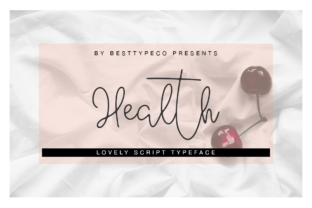
Health: A Casual Script Font for Authentic Design
In the world of typography, finding a font that strikes the right balance between personality and practicality can be a challenge. Health, a casual and sweet script typeface, emerges as a compelling option for designers seeking to inject a sense of genuine warmth and approachability into their projects. Unlike many ornate or rigid scripts, Health offers a handwriting-inspired aesthetic that feels natural and unforced. Its core value lies in its ability to communicate authenticity, a quality increasingly sought after in branding, digital content, and personal projects.
Evaluating the Characteristics of Health
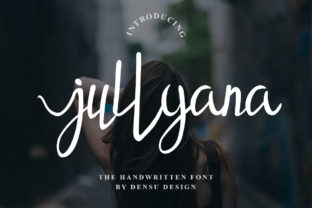
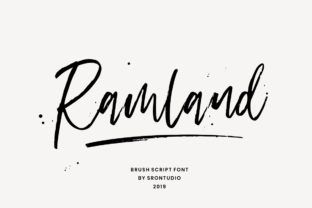
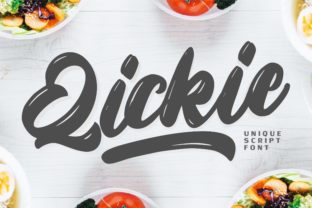
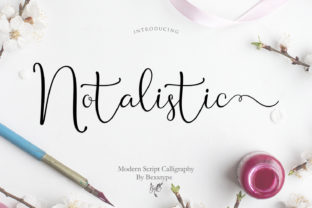
Health is defined by its relaxed, flowing letterforms. The script maintains a consistent baseline with gentle variations in stroke weight, mimicking the rhythm of casual handwriting rather than formal calligraphy. Characters connect in a natural, often loose manner, which avoids the overly tight or mechanical feel of some connected scripts. This creates an organic, human touch.
Its "sweet" descriptor is accurate; the font avoids sharp angles or aggressive swashes. Instead, terminals are often soft, and curves are rounded, contributing to a friendly and inviting tone. The overall stroke is not too thin or too thick, providing good readability even at moderate sizes. These characteristics make Health distinct from more dramatic or vintage scripts, positioning it firmly in the modern, casual niche.
Purpose and Practical Strengths
The primary purpose of Health is to add a personal, authentic vibe. Its strengths are immediately apparent in specific applications:
- Branding for Lifestyle and Wellness: For businesses in health, mindfulness, crafts, or local goods, Health can embody a handcrafted, caring ethos.
- Digital Content Headers: In blogs, newsletters, or social media graphics, it can make titles and quotes feel more personal and engaging.
- Invitations and Personal Projects: Its sweet nature makes it ideal for event design, wedding materials, or personal stationery where a warm, informal tone is desired.
- Product Packaging and Labels: For small-batch or artisanal products, a few words in Health can effectively convey authenticity directly to the consumer.
From a practical standpoint, Health performs well in terms of usability. A well-designed casual script should include clear glyphs and adequate spacing. Health appears to avoid the common pitfall of overly decorative forms that sacrifice clarity. In real-world use, it would likely remain legible in short phrases and headings, which is its intended domain. It is not a font for body text, and that limitation is clear and acceptable.
Quality, Flexibility, and Presentation
Assessing a font's quality involves looking at its consistency and technical execution. While a detailed glyph inspection isn't possible here, a successful casual script like Health must balance intentional variation with visual harmony. The letters should feel part of a unified family, not random. The font's presentation—how it renders across different media and sizes—is critical. On screen, it should maintain its character without pixelation or awkward joins; in print, it should retain its smooth stroke quality.
Flexibility is an interesting consideration. Health seems specialized by design. Its value is in its specific tone, not in being a versatile, multi-context tool. This is a strength, not a weakness. For a project requiring an authentic, sweet vibe, Health is a direct solution. It would not be flexible enough to also convey corporate authority or tech-driven innovation, and designers should not expect it to. This focused effectiveness increases its long-term value for specific niches. Once integrated into a brand's visual language that aligns with its tone, Health can provide enduring stylistic value.
Who Benefits Most from Using Health?
The audience for this font is broad but defined by intent.
- Freelancers and Small Business Owners in creative, wellness, or handmade sectors can use Health to quickly establish a relatable brand identity without custom illustration.
- Content Creators and Bloggers focusing on personal development, family, crafts, or lifestyle topics can use it to visually soften and personalize their headers and graphics.
- Marketers crafting campaigns for brands that prioritize human connection and authenticity might select Health for specific promotional materials to evoke emotion.
- Educators and Hobbyists creating personal projects, workshop materials, or community announcements will find it accessible and effective for conveying a friendly, inclusive message.
Professionals working on projects for formal finance, legal services, or industrial technology would likely find Health inappropriate. Its fit is inherently tied to projects where human touch and casual warmth are desirable assets.
Real-World Performance and Considerations
In application, a font like Health must work seamlessly within a designer's workflow. It should pair well with complementary typefaces. For balance, Health would typically be used as an accent font alongside a simple, neutral sans-serif for body text. This pairing ensures the script provides personality without overwhelming the entire layout.
Potential limitations are worth noting. As a connected script, it may require careful attention to kerning in certain letter combinations to avoid awkward gaps or overlaps, especially when used by non-designers in basic software. Its effectiveness is also highly dependent on color and background; a clean, uncluttered backdrop will allow its character to shine. Overusing it, or applying it to long paragraphs, would severely undermine readability and aesthetic appeal.
Ultimately, the decision to use Health comes down to project alignment. Before implementing it, consider your audience and message. Is the goal to feel approachable, personal, and gently artistic? If so, Health is a strong candidate. If the goal is to feel authoritative, sleek, or universally neutral, other typographic choices will be more effective. It is a tool with a specific function, and when used within its intended context, it can add significant authentic value to a design project.
For designers and creators seeking a resource that delivers a predefined vibe without extensive customization, Health offers a straightforward path. It avoids the complexity of more elaborate scripts while providing enough character to elevate a design from generic to genuinely personable. In a digital landscape often dominated by crisp, impersonal geometry, having access to a typeface that whispers rather than shouts can be a valuable asset in creating connections that feel real.