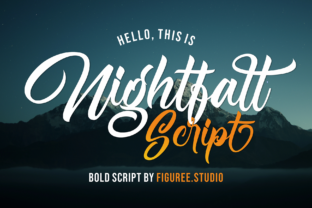
Nightfall: The Simple Script That Makes Design Projects Stand Out
In the crowded world of digital design, finding tools that elevate your work without adding complexity can feel like searching for a rare gem. Amidst bloated software suites and over-engineered plugins, Nightfall emerges as a refreshing counterpoint. It’s a simple, yet elegant script described as having a “cool feel,” and its primary promise is powerful: to turn any design project into a true standout.
What Exactly Is Nightfall?
Before we dive into its application, let’s clarify what Nightfall is. It isn't a standalone application or a massive design platform. Nightfall is a script. Typically, this means a piece of code—often JavaScript or a similar language—that you integrate into your existing projects. Its beauty lies in its simplicity and focused purpose. While the specifics of its functions might vary depending on its implementation, the core idea is universal: Nightfall injects a specific, cool, and elegant aesthetic or interactive behavior into your design work.
Think of it not as a paintbrush but as a special kind of varnish that changes how the light catches the paint. The underlying design is yours, but Nightfall applies that final, transformative layer that captures attention and feels distinctly modern.
The Core Qualities of an Elegant Script
What makes Nightfall, and scripts like it, so valuable? Several key characteristics define its role in a designer's toolkit.
- Lightweight Integration: Unlike large frameworks, a script like Nightfall is minimally invasive. It adds functionality without overhauling your entire project structure.
- Focused Effect: It does one thing, or a set of related things, exceptionally well. This could be smooth scroll animations, a unique color filtering system, dynamic shadow effects, or a particular typography enhancement.
- The "Cool Feel": This subjective description is crucial. It implies an aesthetic that is contemporary, slightly subdued, visually sophisticated, and emotionally resonant. It’s the difference between a generic interface and one that feels crafted.
- Ease of Use: A well-written script should be easy for designers to implement, often requiring minimal coding knowledge. The value is in the outcome, not the technical struggle.
Transforming Projects with Nightfall
So, how does this simple script actually turn projects into standouts? The transformation happens in both palpable and subtle ways.
Imagine a portfolio website for a photographer. The images are stunning, the layout is clean, but it feels static. Implementing Nightfall could introduce a graceful, parallax scrolling effect that makes the images glide into view with a cinematic quality. Suddenly, the portfolio isn't just displaying photos; it's presenting them with an emotional narrative.
Consider a fintech dashboard. Data and charts need to be clear, but the interface can feel cold and analytical. A version of Nightfall that applies a refined, dark theme with smooth transitions between data states can make the dashboard feel more premium, trustworthy, and easier to engage with for long periods. The "cool feel" here translates to professional comfort.
In a branding project for a boutique product, Nightfall might be used in the digital mockups to apply a specific texture overlay or animation to logos and assets, demonstrating how the brand moves and feels in a digital space. This gives clients not just a static logo, but a vision of its dynamic personality.
Fitting into Modern Design Workflows
Today’s design workflow is often a hybrid of graphic design tools, prototyping software, and web development environments. Nightfall sits perfectly in the intersection.
You might conceive your initial layout in Figma or Adobe XD. As you move towards prototyping or live development, you identify areas where the design needs that extra spark—perhaps the micro-interactions feel flat, or the overall mood isn't quite hitting that elegant mark. This is the point where you reach for Nightfall. It becomes the finishing tool, the polish applied before the final hand-off or launch.
It supports the trend towards design engineering, where aesthetic intent is precisely translated into code. Nightfall provides that translation for a particular look or feel, saving designers from having to build complex animations or effects from scratch every time.
Practical Benefits and Considerations
Choosing to use a script like Nightfall comes with clear advantages, but also requires some thoughtful consideration.
On the benefits side, the biggest is time efficiency. Developing custom, high-quality interactive effects from zero is time-consuming. Nightfall offers a pre-built, refined solution. This allows designers to focus their energy on the core layout, content, and user journey, while still delivering a high-end visual experience.
Secondly, it ensures consistency. If you use Nightfall across multiple projects or pages within a site, it creates a cohesive aesthetic thread. This builds a stronger, more recognizable brand or project identity.
Third, it can enhance user engagement. That "cool feel" isn't just for you; it's for the end-user. Smooth, elegant interactions improve perceived quality and can make interfaces more enjoyable and memorable to use.
However, before adopting Nightfall, you should ask a few questions:
- Does it align with the project goals? A cool, elegant feel might not be right for a playful, child-focused app. Match the tool's character to the project's needs.
- What is the performance impact? Even elegant scripts add code. Ensure Nightfall is optimized and doesn't slow down page load times or interactions, especially on mobile.
- How well does it integrate? Test it in a development environment first. Ensure it doesn't conflict with other scripts or frameworks you're using.
- Is it maintainable? Understand if the script will be easy to update or modify if project requirements change down the line.
Scenarios Where Nightfall Shines
Certain projects almost call for the kind of enhancement Nightfall provides.
- Portfolio & Personal Websites: Where individual style and impression are paramount.
- Premium Product Landing Pages: For brands that sell on aesthetics and experience.
- Creative Agency Showcases: To demonstrate the agency's own cutting-edge capabilities.
- Art & Culture Platforms: Where the digital presentation should complement the artistic content.
- High-End SaaS Dashboards: Where user trust and prolonged engagement are tied to a refined interface.
In these scenarios, the difference between a good design and a standout design is often in the details—the transition, the hover effect, the color shift. These are the details Nightfall is built to master.
Beyond the Code: The Philosophy of Elegant Tools
Ultimately, Nightfall represents more than just a snippet of code. It represents a philosophy in modern tooling: that the best tools are often those that do a specific job beautifully, without fanfare. They empower the creator by handling a complex task silently, leaving the focus on the bigger creative vision.
In a design landscape constantly chasing new trends and overwhelming features, returning to a principle of simple, elegant specialization can be incredibly powerful. Nightfall serves as a reminder that standout projects aren't always built with the most feature-rich software, but with the most thoughtfully applied enhancements.
When you find that your design is technically complete but emotionally or aesthetically lacking, it might be the perfect moment to ask: could a touch of Nightfall be the answer? By applying that simple script with its cool feel, you might just transform your project from a competent piece of work into a true, memorable standout.