Wanoja: The Authentic Script Transforming Modern Design
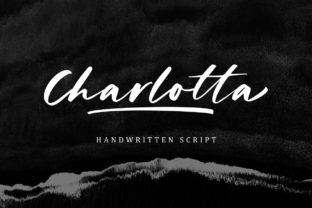
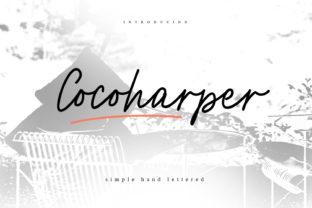
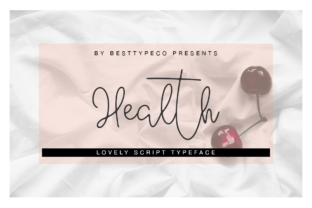
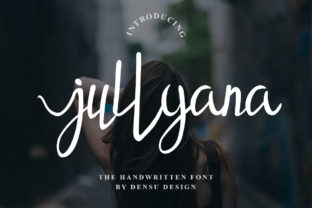
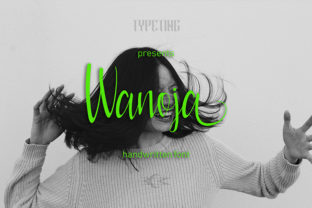
In an increasingly digitized world, the yearning for human touch and authenticity has become a powerful cultural and aesthetic force. This shift is vividly apparent in design, where the sterile perfection of standard fonts is often set aside in favor of typefaces that evoke personality, warmth, and craftsmanship. At the heart of this movement lies Wanoja, a beautiful handwritten script that adds a touch of authenticity to any design. Its flowing, organic letterforms act as a bridge between the digital canvas and the human hand, offering creators a potent tool for connection.
Why Authenticity Now Matters in Digital Communication
User expectations have evolved significantly. Audiences are bombarded with polished, automated content, leading to a certain degree of visual fatigue. In response, both brands and individual creators are seeking ways to stand out and foster genuine engagement. The use of handwritten aesthetics, like that found in Wanoja, signals a departure from corporate uniformity. It suggests a personal voice, a careful consideration, and an artisan's approach. This isn't merely a stylistic choice; it's a strategic one, aligning with a broader trend where consumers and users gravitate towards brands and content that feel more "human" and less manufactured.
This relevance extends across numerous fields. For entrepreneurs and small business owners, it offers a way to instantly infuse a logo, website header, or product packaging with character. Marketers can use it in campaign materials to create a sense of intimate invitation. Bloggers and educators might employ Wanoja for titles or key quotes to make their content feel more conversational and less formal. The script meets a modern need: the need to be memorable and relatable in a crowded digital space.
The Evolution of Handwritten Scripts in Design
Handwritten fonts have been part of the digital toolkit for decades, but their role and execution have matured. Early digital scripts often struggled to balance authenticity with usability, sometimes appearing clumsy or inconsistent. Contemporary fonts like Wanoja represent a significant evolution. They are crafted with a deep understanding of both calligraphic tradition and digital application, resulting in a script that feels naturally penned while offering the technical reliability necessary for professional workflows.
People are paying more attention to these tools because the tools themselves have improved. Furthermore, the creative practices around them have expanded. It's no longer just about adding a "fun" font to a birthday card. Professionals now integrate such scripts into sophisticated, multi-platform design systems. Wanoja can be the expressive accent within a larger, minimalist website, or the foundational typeface for a complete brand identity seeking a handmade ethos. This versatility reflects how handwritten typography has moved from niche novelty to a core element in the modern designer's palette.
Practical Implications for Creators and Professionals
Integrating Wanoja into your work requires thoughtful application. Its beauty lies in its character, but that character must serve the design's goal. For instance, using it for a luxury boutique's invitation can evoke exclusivity and care. Conversely, using it for a tech startup's main slogan might confuse the message unless the startup's brand is deeply tied to creativity and artisanal values.
- Accent and Hierarchy: Often, the most effective use is as an accent font. Consider employing Wanoja for primary headlines, logotypes, or key call-out phrases, while pairing it with a clean, readable sans-serif for body text. This creates a dynamic hierarchy that is both engaging and functional.
- Digital and Print Consistency: One of its strengths is maintaining authenticity across media. A social media graphic using Wanoja carries the same tactile feeling as a printed brochure, ensuring brand consistency in tone.
- Emotional Targeting: Before using it, define the emotion you wish to convey. Does your project aim for warmth, elegance, playful creativity, or personal confession? Wanoja’s authentic stroke can support these nuances, but matching intent to execution is key.
Wanoja in Changing Workflows and Technologies
Modern design workflows are increasingly collaborative and iterative, often happening in cloud-based applications and across remote teams. A font like Wanoja integrates seamlessly into these environments. Its availability as a standard digital font file means it can be shared, versioned, and applied in common software from Adobe Creative Suite to Canva, making it accessible not just to professional designers but also to freelancers, hobbyists, and business owners managing their own visuals.
Furthermore, technology has enabled more expressive typography to load quickly and render perfectly on websites—a past technical hurdle. This means the authentic feel of a handwritten script no longer comes at a cost to performance or user experience. You can confidently use Wanoja in web design knowing it will contribute to the aesthetic without undermining the site's functionality.
Realistic Examples and Applications
To move beyond theory, consider these grounded applications:
- A freelance photographer uses Wanoja for her website's tagline, "Capturing Your Story." The script immediately sets a personal, client-focused tone, differentiating her from larger studios.
- A local coffee roastery uses the script for its product line names on labels ("Morning Symphony Blend"). This small touch reinforces the craft and personal attention behind each blend.
- An online educator creating courses for creative writing uses Wanoja for lesson titles in his video presentations, subtly reinforcing the theme of personal expression and artistry.
In each case, the script is not the entire design solution but a carefully chosen element that elevates the message through perceived authenticity.
Navigating Trends Without Hype
The trend towards authenticity in design is robust, but it is not a universal mandate. Not every project requires a handwritten touch. The key insight is having the option and the discernment to use it appropriately. Wanoja provides that option with a high degree of executional quality. As market preferences continue to favor differentiation and human connection, tools that offer genuine aesthetic personality will remain valuable. However, their value is always contextual.
Forward-looking design anticipates that this desire for the human element will persist, even as technology advances. The counterbalance to automation and AI-generated content will be design choices that remind us of human creativity. Wanoja, as a beautiful handwritten script, sits precisely in that space. It is a digital asset that whispers of analog origin, a versatile resource for anyone looking to add not just style, but substance and soul to their visual communications.
The ultimate recommendation is to approach Wanoja as you would any skilled craft: with respect for its character and an understanding of your own needs. Experiment with it as an accent, test it in your layouts, and observe how it interacts with your other elements. When used with strategic intent, it can transform a standard message into a memorable conversation, proving that in design, authenticity is not just a trend—it's a lasting language.